By Michelle Maloney, Broker/Owner, Maloney Real Estate · SD License #14315
What should you check before making an offer on Yankton acreage?
Start with the systems and land conditions that are hardest to change. A rural home outside Yankton can look move-in ready, but the real risk may sit underground, at the road, or in county records.
Your first pass should cover five items:
- Water source and well condition.
- Septic type, age, location, and service history.
- Legal access from a public or private road.
- Zoning, setbacks, and allowed uses.
- Ongoing maintenance for driveways, trees, fences, outbuildings, and drainage.
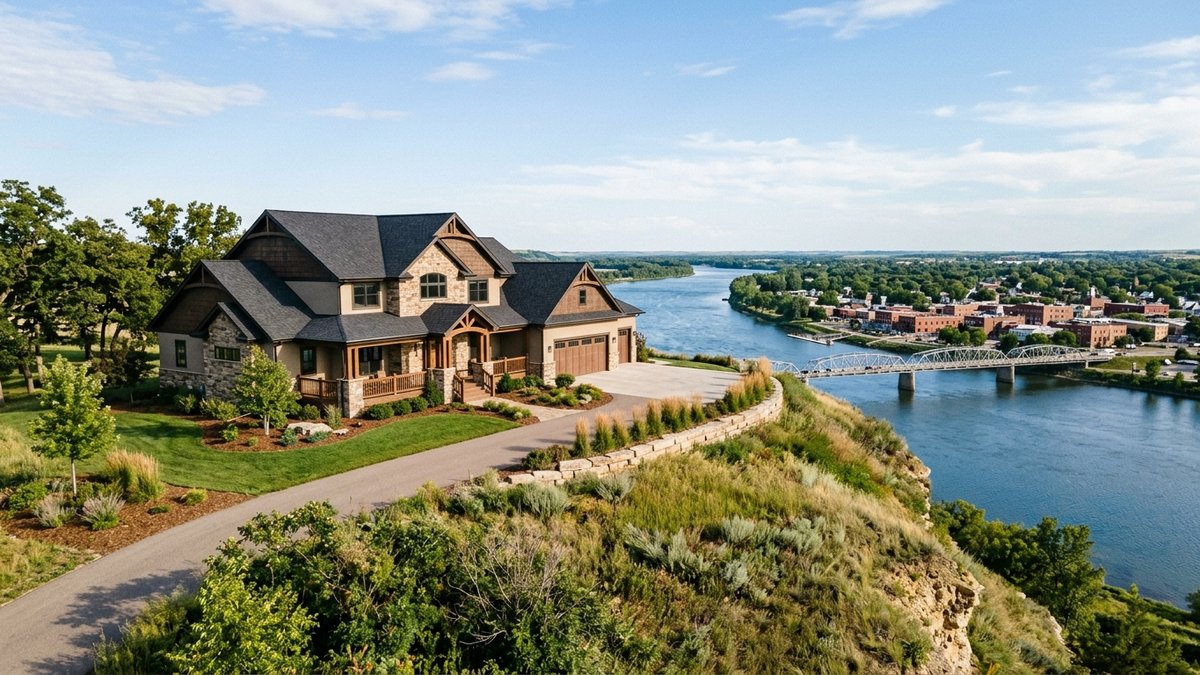
That checklist matters whether you’re looking north of Yankton, near Lewis and Clark Lake, toward Mission Hill, or outside town. You are buying the land, the systems, the access, and the work that comes with them.
If you are early in the search, use the site’s buyer resources to sort your price range before you tour rural homes. Acreage can stretch a budget in ways a city home usually does not. More land can mean more equipment, more inspection questions, and more time before closing.
South Dakota DANR guidance reviewed in May 2026 says roughly 25% of South Dakota residents rely on on-site wastewater systems. That makes septic due diligence normal here. You want enough time to inspect the system, review records, and understand replacement risk.
Price comparisons also need care. Land.com reported a Yankton County median price per acre of $15,142 on July 27, 2025. LandSearch reported an average cost of $96,682 per acre near Yankton on February 12, 2026. Those numbers are far apart because parcel size, location, improvements, and use all change the math.
How do septic and well issues affect a rural home purchase?
Septic and well issues can affect cost, financing, timing, and your comfort with the property. You need to know how the home handles wastewater and where the drinking water comes from before you remove contingencies.
For septic, ask these questions early:
- Where is the tank and drain field located?
- When was the system installed?
- Has it been pumped or inspected recently?
- Does the current system match the home’s bedroom count and use?
- Is there room for a replacement area if the system fails?
Minnehaha County’s septic FAQ says a septic tank is generally pumped every 3 to 5 years without a garbage disposal. It says pumping may be needed at least once per year if the home has a garbage disposal.
That does not mean every acreage septic system is a problem. It means you should treat it as a main inspection item. A failed or undersized system can change your offer terms.
For a private well, you want water quality, flow, location, depth if available, and any service records. Rural-living guidance from Lawrence County tells buyers to check available water, soil, topography, and roads.
Some acreages near Yankton may be on rural water instead of a private well. That can change your monthly cost, maintenance responsibility, and due diligence list.
Verify this with your lender, title company, inspector, septic professional, well professional, or insurance professional. This is general real estate information, not legal, tax, lending, or financial advice.
Why do access, easements, and county records matter so much?
Access matters because you need a clear, practical way to reach and use the property. A beautiful acreage can become frustrating if road maintenance, shared driveways, or easements are unclear.
When I walk buyers through rural property questions, I want the access issue handled before emotions take over. You need to know whether the driveway connects to a public road, crosses another parcel, or depends on a recorded easement.
Yankton County’s Register of Deeds is the place to confirm recorded land documents. That can matter for easements, legal descriptions, boundary questions, and documents tied to the parcel. A title company or attorney should help you understand what those records mean.
Ask practical questions during your showing:
- Who clears snow from the road or lane?
- Is the driveway shared with another owner?
- Are there gates, cattle guards, or private-road agreements?
- Could emergency vehicles reach the house in bad weather?
- Are fences on the boundary, or only near the boundary?
These questions are not meant to scare you away from acreage. They help you write a cleaner offer. If access needs review, your contract timeline should give the right professionals enough time.
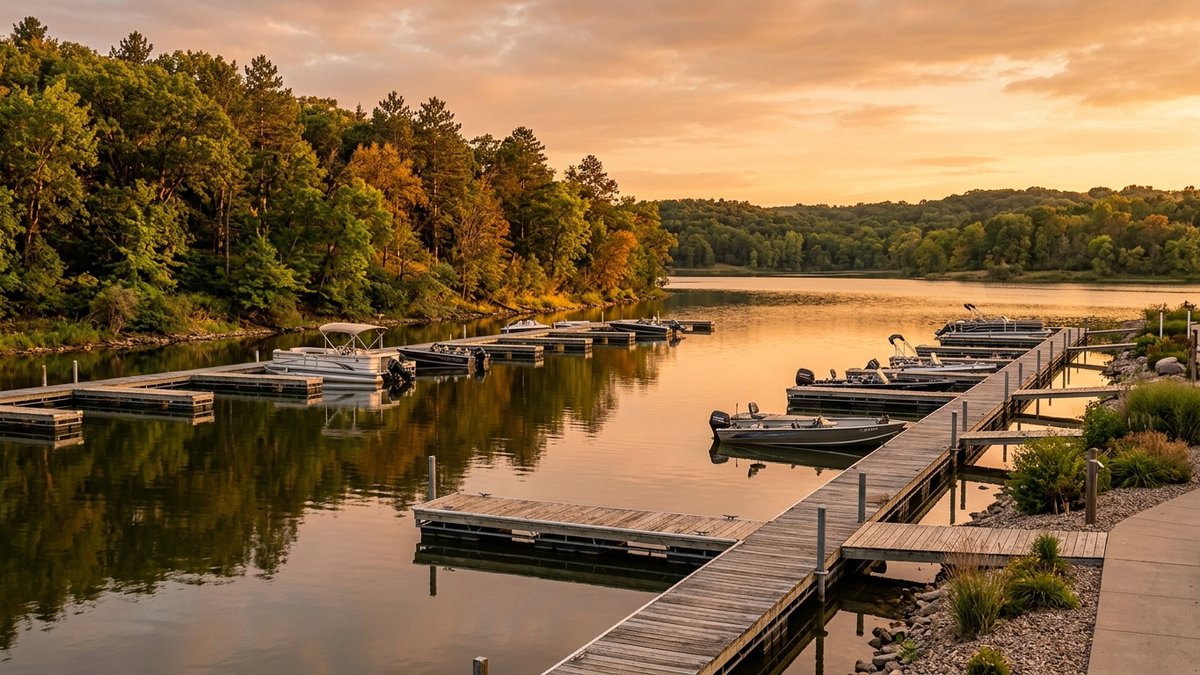
This is also where local context helps. A property near Lewis and Clark Lake may have different driveway, slope, drainage, or association questions than a flatter tract outside Mission Hill. Compare the property with the site’s lake and river lifestyle guide while you think through daily use.
For market context, Redfin reported a Yankton median sale price of $248,000 in March 2026, down 10.0% year over year. Realtor.com reported 53 recently sold Yankton properties with an average of 81 days on market in its 2025 recently sold view.
What zoning and land-use questions should you ask?
Zoning and land-use rules tell you what you can do with the property. Do not assume acreage means you can build, split, add animals, operate a business, or place another structure anywhere you want.
Before you write an offer, ask the county or local authority about the parcel’s zoning, setbacks, floodplain questions, and permitted uses. If your plans include a shop, livestock, short-term rental use, extra dwelling space, or future subdivision, verify those plans before closing.
The biggest mistake is buying based on a dream that the land cannot support. A listing may show five acres, an outbuilding, and open space. That does not answer whether your intended use fits county rules, soil conditions, access, utilities, or lender requirements.
Soil and topography deserve attention too. Septic feasibility can depend on soil, slope, drainage, and water table. A parcel that looks buildable may still require a different system, a different site plan, or more professional review than you expected.
Flood risk is another practical question. Acreage near creeks, low ground, ravines, or lake-influenced terrain may need extra review. Ask your insurance professional and lender what they need before your inspection period ends.
If you are comparing rural options with in-town subdivisions, the site’s neighborhood overview can help you separate lifestyle choices from land-use questions. An in-town home may have fewer private-system concerns. Acreage may give you more room, but it also gives you more to verify.
Keep the process clean. Ask the county what the property is zoned for. Ask your lender what property conditions affect financing. Ask your inspector what specialist inspections make sense. Ask your insurance professional what coverage questions need review.
How should you budget for maintenance after closing?
Budget for acreage as a property system, not just a house payment. Your monthly mortgage is only one part of owning land outside town.
Common rural ownership costs may include:
- Mower, tractor, blade, or snow equipment.
- Gravel driveway maintenance.
- Tree trimming and storm cleanup.
- Fence repair.
- Septic pumping and inspections.
- Well testing or water-system service.
- Outbuilding repairs.
- Propane, rural water, or utility setup costs.
Not every property has every cost. A smaller acreage close to Yankton may feel very manageable. A larger tract with a long lane and older outbuildings may need more time and equipment.
Financing can also be different from a standard in-town purchase. Some lenders look closely at acreage size, property use, outbuilding value, and comparable sales. If you are still setting your budget, pair your lender conversation with the site’s mortgage calculator.
For first-time acreage buyers, I also like a boring list. Write down what you will need in the first 30 days, first 6 months, and first year. Include equipment, inspections, small repairs, utility transfers, and any professional follow-up.
Acreage can be a great fit when the land supports the way you want to live. It can also be too much work if you only budget for the house. The goal is to buy it with clear eyes.
If you want a broader step-by-step path, the site’s buyer guide can help you organize lender prep, showings, offer terms, inspections, and closing steps. Rural property adds layers to that process, but the basic order still matters.
The best offer gives you room to verify the expensive items. That means septic, well or rural water, access, zoning, title, insurance, and lender questions should be handled before your deadlines pass.
Frequently Asked Questions
Is buying acreage near Yankton harder than buying in town?
It can take more due diligence because you are reviewing land, systems, and access along with the house. Septic, well, zoning, road maintenance, and title questions often need extra time. The process is manageable when your offer deadlines match the work needed.
Should I inspect the septic system before buying rural property?
Yes, septic should usually be treated as a major inspection item on acreage. Ask about age, location, service history, and condition. Use a qualified septic professional, and verify any repair or replacement questions before your contingency deadline.
How much does acreage cost near Yankton?
It depends heavily on parcel size, location, improvements, and whether there is a home. Land.com reported a Yankton County median price per acre of $15,142 on July 27, 2025. LandSearch reported an average cost of $96,682 per acre near Yankton on February 12, 2026.
Can I build a shop or add animals on acreage near Yankton?
Do not assume that acreage allows every use. Check zoning, setbacks, covenants if any, access, utilities, and any county requirements before you buy. Ask the county and the right professionals to verify your specific plan.
What professionals should I call before buying acreage?
Start with your REALTOR, lender, home inspector, septic professional, well professional, title company, and insurance professional. Depending on the property, you may also need a surveyor, attorney, county zoning staff, or contractor. Use them before deadlines expire, not after closing.
Buyer Guides
Buy a Home in Yankton
The buyer service page for search help, offer strategy, and local guidance.
Open guideBuyer Guides
Yankton Buyer Guide
Step-by-step education for financing, inspections, offers, and closing.
Open guideBuyer Guides
Homes for Sale
Current inventory plus local search context by property type and area.
Open guide
About the Author
Michelle Maloney is the Broker/Owner of Maloney Real Estate in Yankton, South Dakota. She helps buyers and sellers understand the local market, compare their options, and make confident real estate decisions across Yankton and southeast South Dakota.
Sources
South Dakota DANR septic tank systems, Minnehaha County septic FAQ, Redfin Yankton housing market, Realtor.com recently sold homes in Yankton, Land.com Yankton County market insights, LandSearch Yankton land listings, Lawrence County Rural Living PDF, Yankton County Register of Deeds.
Questions About the Yankton Market?
Ask Michelle's team about pricing, neighborhoods, timing, or your next move. No pitch, no pressure.