Buyer Guides 2026-09-16
How to Evaluate Lewis and Clark Lake Homes Without Deeded Access
By Michelle Maloney, Broker/Owner, Maloney Real Estate · SD License #14315
Is the home waterfront, or simply near Lewis and Clark Lake?
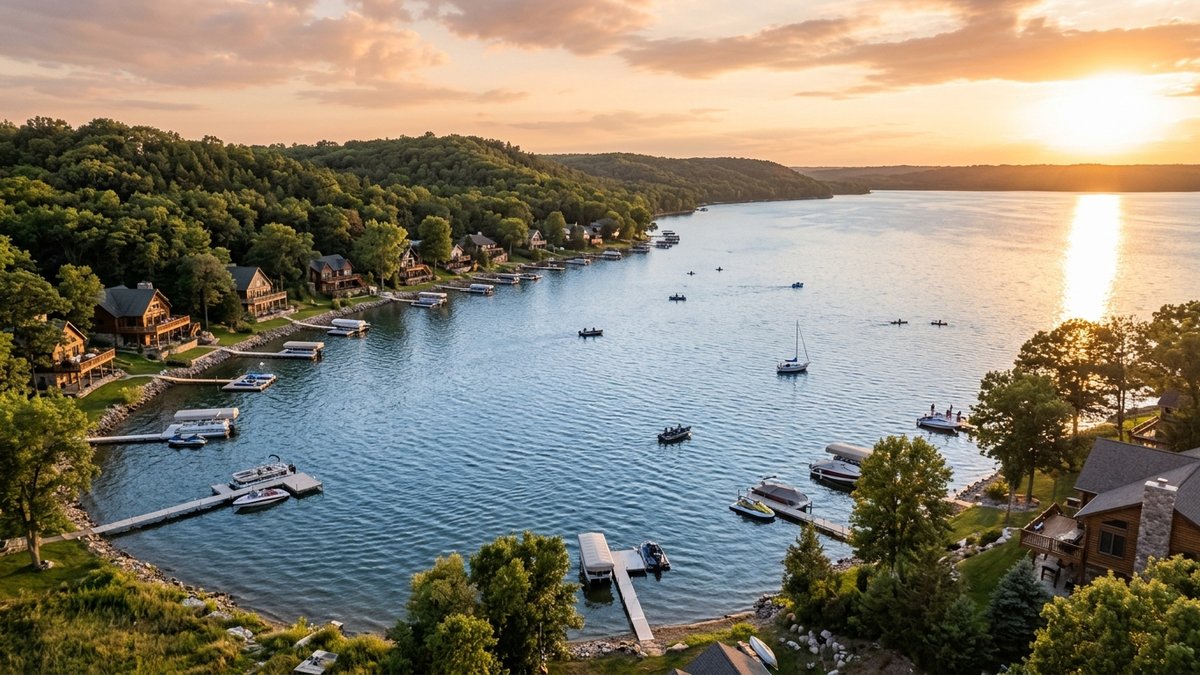
Start with the deed, plat, easements, and title exceptions, not the view. A home can be close to Lewis and Clark Lake without giving the owner a private right to reach the water. Treat the property as near the lake unless the recorded documents and title review establish something more specific.
Ask your title professional to identify the legal description and the recorded instruments that affect the parcel. The Yankton County Register of Deeds identifies itself as the county’s primary land-record office and lists deeds, plats, easements, liens, and other real-estate documents among its records. The office can provide copies of filed records, while the title or legal professional explains which documents matter to the property and what questions need follow-up.
Do not let a listing phrase such as lake access, shared access, or close to the water settle the issue. Ask what right is being described, which parcel or facility it reaches, and whether that right appears in the recorded documents. The Lewis and Clark Lake homes buyer guide can help you organize the broader property questions, but the specific access answer belongs in the property records and professional review.
Which public access point would you actually use?
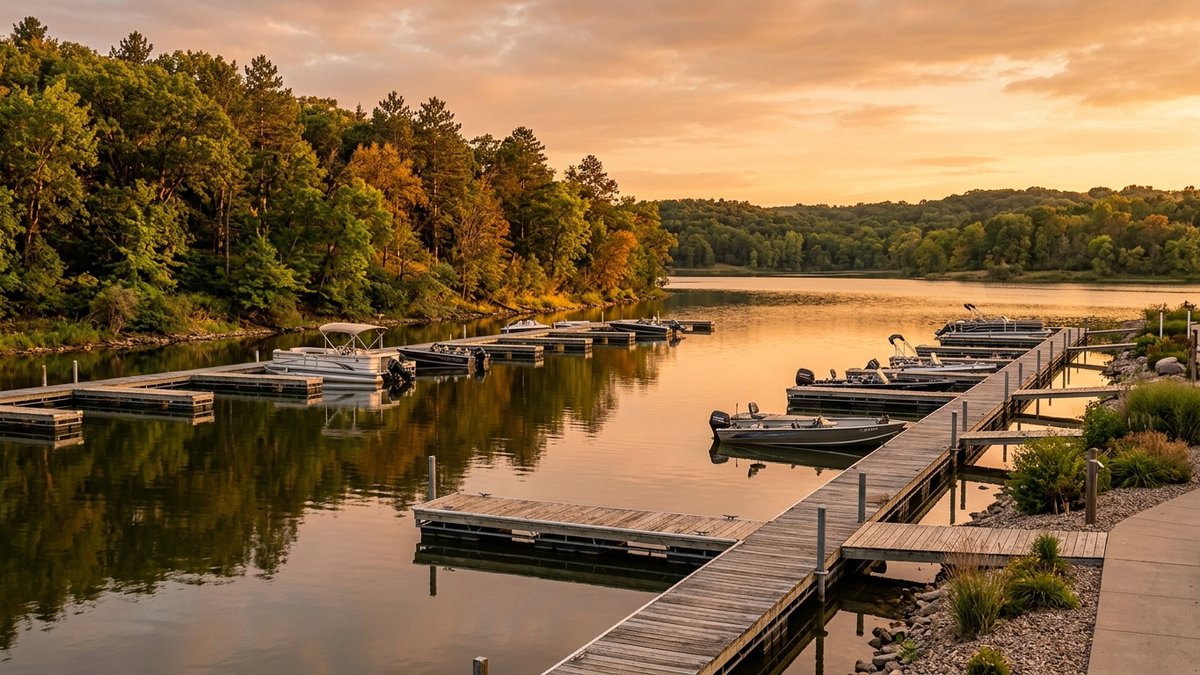
Choose the public facility that fits your normal lake plans, then verify its current details with the agency that manages it. The U.S. Army Corps of Engineers lists multiple developed recreation areas around Lewis and Clark Lake, Lake Yankton, and the Missouri River, including named boat ramps and shoreline access. That gives a buyer places to investigate instead of treating public access as one generic feature.
Build the facility shortlist around one real activity at a time. For boating, record the ramp and trailer approach. For fishing, record shoreline access and parking. For swimming, record the beach and posted operating information. If you expect to do more than one, keep separate rows because one facility may not meet every need. The agency pages help identify options, but they do not substitute for an in-person visit or current confirmation before you rely on one.
South Dakota Game, Fish and Parks identifies amenities at Lewis and Clark Recreation Area, including boat ramps, shore fishing, swim beaches, contact information, and posted entrance fees. Those facilities may be useful to different buyers for different reasons. Someone launching a boat needs a different routine from someone planning occasional shore fishing or a swim. A posted fee or amenity is also a current point to confirm, not a permanent promise about future operations.
Write down the facility name, the access type you need, posted fees, parking information, operating details, and any seasonal question you still need answered. The Lewis and Clark Lake local guide can add local planning context, while the Corps or South Dakota Game, Fish and Parks should confirm the current facility information. Public access can make a near-lake home workable, but it does not create a private right, guaranteed parking spot, private slip, or control over facility operations.
Does the door-to-ramp routine fit your life?
Drive the route before you decide what proximity is worth. A map can show that a home is near Lewis and Clark Lake, but it does not tell you whether the routine feels easy with a trailer, fishing gear, children, coolers, or a full weekend schedule. Start at the actual driveway and end at the public facility you would use most.
Time the drive during the part of the day when you expect to go. Check the route, turns, parking approach, launch or shoreline access, and what you would do with a trailer or equipment after returning home. If your plan is occasional fishing, compare that routine with the plan for a buyer who wants frequent launches or evening walks. The right property is not necessarily the one with the shortest map distance. It is the one whose access routine matches how you will use the lake.
Make a separate note for anything the public agency or the property documents still need to confirm. Do not fill an unanswered question with a seller’s shorthand or a scenic view. If year-round logistics matter, compare the near-lake routine with roads, utilities, and daily services rather than focusing only on recreation. The Lewis and Clark Lake living guide can help you think through the lifestyle side of that comparison.
Can a shared path, neighborhood ramp, or slip change the answer?
It can change the comparison only when the right is documented and the responsible party confirms how it works. Ask whether an advertised path, ramp, shoreline area, or slip is part of the property, a recorded easement, a shared facility, or a public recreation area. Those are different arrangements with different questions.
Use the legal description to ask the Yankton County Register of Deeds or your title professional which deed, plat, easement, or other recorded instrument affects the parcel. Then ask the person or agency responsible for any shared or public facility about current access, parking, fees, operating details, and seasonal limits. The record may establish an instrument exists, but it does not replace professional review of what that instrument means or guarantee that a facility will meet your plans.
Keep the wording precise in your comparison notes. Write verified private right, public facility to confirm, shared arrangement to review, or unconfirmed claim. That protects the decision from quietly turning near-lake proximity into an assumed waterfront benefit. It also gives your title professional, agent, lender, insurer, or the responsible facility manager a clear question instead of a vague expectation.
What costs and property questions belong beside lake proximity?
Compare lake proximity with the full ownership picture. Put the purchase price beside owner insurance, utilities, road and property maintenance, taxes, storage, and the costs of the recreation routine you actually expect to use. The available local information does not establish a price premium for any Yankton lake-area property, so do not invent one from a listing or a view. Decide what proximity is worth to you after you understand the routine and the documents.
Separate one-time and recurring costs in your notes. A launch fee or equipment purchase may affect a recreation plan differently from an annual insurance bill or road maintenance obligation. A home farther from the water may have a longer routine but a different ownership profile. Use the same questions for each candidate so the decision reflects both what the home offers and what the lake habit costs over time.
Ask the appropriate professional about property-specific flood, insurance, title, and lender questions. Confirm what coverage the insurer needs to quote, what the title review reveals, and what the lender requires for the purchase. If the home has a shared road, private facility, or recorded access arrangement, keep the responsible party and the document that supports the arrangement in your notes.
Then compare the home with other Yankton homes for sale using the same worksheet. A near-lake property without deeded access may be a strong fit for a buyer who values scenery and a manageable public-access routine. It may be a poor fit for a buyer who expects immediate private shoreline use. The answer depends on the verified rights, the real routine, and the cost you are comfortable carrying.
What should be on your near-lake comparison sheet?
Use four columns so access claims, public options, daily logistics, and ownership cost stay visible in one place. Mark each line confirmed, needs professional review, needs agency confirmation, or unknown.
| Comparison item | What to record | Who should confirm it | Decision status |
|---|---|---|---|
| Verified property rights | Deed, plat, easements, title exceptions, and any recorded access instrument | Title professional and Yankton County Register of Deeds for record copies | Confirmed or open |
| Preferred public access | Facility name, ramp or shoreline use, posted fee, parking, and operating questions | U.S. Army Corps of Engineers or South Dakota Game, Fish and Parks | Confirmed or needs follow-up |
| Door-to-ramp routine | Drive route, trailer needs, parking approach, equipment, and expected frequency | Buyer by an in-person test drive | Fits or does not fit |
| All-in ownership cost | Price, insurance, utilities, roads, maintenance, taxes, storage, and recreation costs | Buyer, insurer, lender, and appropriate professionals | Compared or incomplete |
Do not award the property a private-access premium until the first row is supported by the records. Do not treat the second row as a private right. Use the third row to test whether the public option works in your actual routine, and use the fourth row to keep proximity from hiding costs that matter after closing.
The best near-lake comparison is the one that separates what you own from what the public facility offers. If the home gives you proximity but not deeded access, you can still evaluate it clearly. Keep the verified rights, public facility, daily route, and all-in cost in view before deciding what Lewis and Clark Lake proximity is worth to you.
Frequently Asked Questions
Does living near Lewis and Clark Lake mean I have lake access?
No. Treat the home as near the lake unless the deed, plat, easements, and title review establish a private access right. Public recreation access can be useful, but it does not create a private right, private slip, or guaranteed parking.
How can a Yankton buyer verify a private access claim?
Use the legal description and title work to identify the deed, plat, easements, title exceptions, and other recorded instruments. Ask a title professional or appropriate legal professional to explain which documents affect the specific parcel.
What public facilities should buyers compare near Lewis and Clark Lake?
The U.S. Army Corps of Engineers lists developed recreation areas around Lewis and Clark Lake, Lake Yankton, and the Missouri River. South Dakota Game, Fish and Parks provides current information for Lewis and Clark Recreation Area, including boat ramps, shore fishing, swim beaches, contact information, and posted fees.
What is the best way to compare a near-lake home without deeded access?
Compare verified property rights, the public access point you would actually use, the door-to-ramp routine, and all-in ownership cost. Keep unconfirmed access claims separate from recorded rights and current agency information.
Buyer Guides
Buy a Home in Yankton
The buyer service page for search help, offer strategy, and local guidance.
Open guideBuyer Guides
Yankton Buyer Guide
Step-by-step education for financing, inspections, offers, and closing.
Open guideBuyer Guides
Homes for Sale
Current inventory plus local search context by property type and area.
Open guide
About the Author
Michelle Maloney is the Broker/Owner of Maloney Real Estate in Yankton, South Dakota. She helps buyers and sellers understand the local market, compare their options, and make confident real estate decisions across Yankton and southeast South Dakota.
Sources
U.S. Army Corps of Engineers, Omaha District, Gavins Point Recreation Areas, South Dakota Game, Fish and Parks, Lewis and Clark Recreation Area, Yankton County Register of Deeds Office.
Questions About the Yankton Market?
Ask Michelle's team about pricing, neighborhoods, timing, or your next move. No pitch, no pressure.