By Michelle Maloney, Broker/Owner, Maloney Real Estate · SD License #14315
Is the property a condominium, planned community, or fee-simple townhome?
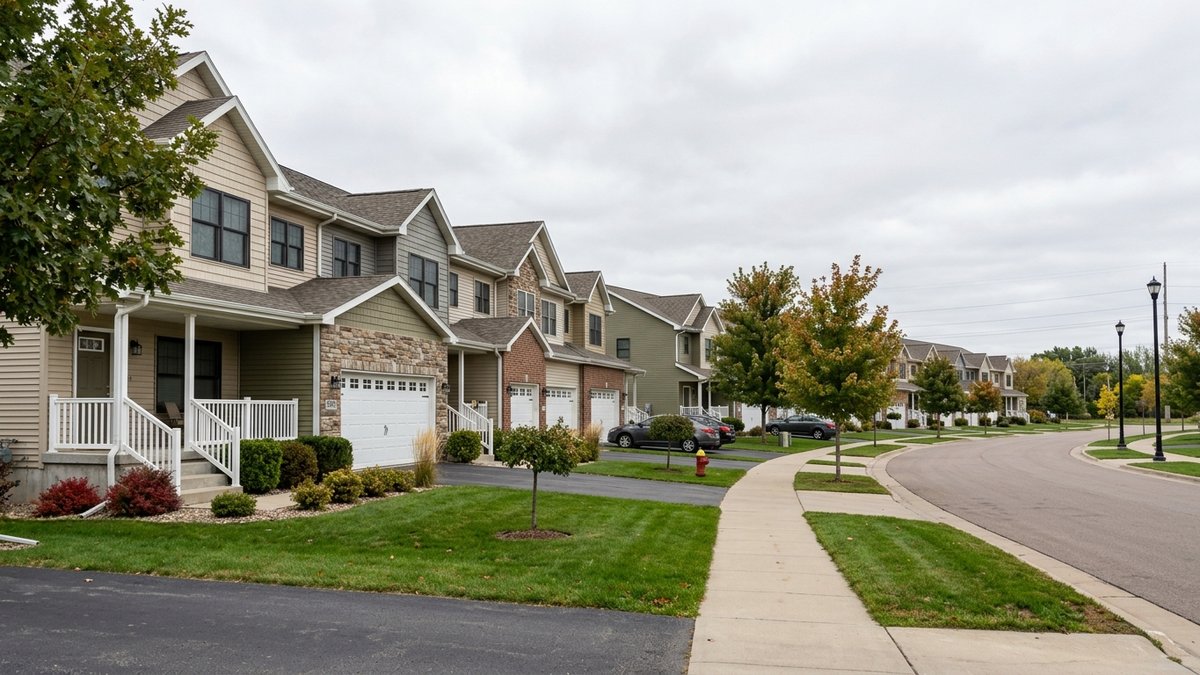
Start by identifying the ownership form before comparing floor plans or amenities. The word townhome describes the architecture. It does not tell you whether you will own a condominium interest, a fee-simple home with an association, or another legal arrangement. Two attached homes in Yankton can look alike while assigning roof, exterior, land, insurance, and assessment responsibilities very differently.
Ask for the recorded declaration, legal description, title information, and any association documents that explain what you own and what is shared. The South Dakota Codified Laws chapter on condominiums is one state framework for declarations, ownership interests, common elements, and association governance when a property is legally a condominium. It does not answer the specific question for every townhome listing.
In Yankton, add two local checks before treating the listing label as settled. Use the legal description and title work to identify the recorded deed, plat, easements, and any declaration or restriction affecting the parcel through the Yankton County Register of Deeds. Then confirm the property’s zoning with the City of Yankton Community and Economic Development Office. The City’s online map distinguishes single-family, two-family, multi-family, PUD, and other districts, but the City warns that the map is approximate and says property-specific zoning information should be confirmed from the legal description. Neither check replaces review by the buyer’s title or legal professional, but together they give the ownership discussion a local factual foundation.
Ask your title professional, real estate attorney, lender, and insurance provider the questions that fit their roles. You are trying to establish the property’s ownership form and document trail before you rely on a low purchase price, a simple exterior, or an advertised monthly fee. The Yankton homes for sale page can help you compare listings, but the listing cannot replace the recorded and association documents.
Ask whether the land beneath the unit, the exterior walls, the roof, parking spaces, patios, yards, and shared drives are owned individually or treated as common or limited common elements. Also ask whether a unit owner can make exterior changes without association approval. Those details connect the legal form to the everyday decisions you will make after closing.
Which association documents should a buyer request?
Request the declaration, bylaws, rules, amendments, budget, recent financial statements, reserve information, recent meeting minutes, assessment history, insurance summary, and notices about major projects or litigation where available. Ask for the current dues amount, what it covers, when it last changed, and whether an increase or special assessment has already been discussed.
Read the documents as a set. The declaration may describe ownership and shared elements. The bylaws and rules may explain voting, meetings, use restrictions, and enforcement. Meeting minutes can reveal a roof, siding, drainage, pavement, insurance, or reserve conversation before that issue appears in a listing. A budget can show the association’s current plan, but a buyer still needs to ask what work is scheduled and whether the reserves fit the association’s responsibilities.
Ask who supplies the resale package or association questionnaire and how current each document is. If a record is missing, note that in your due diligence list. The South Dakota Department of Labor and Regulation consumer guide can help you organize general buyer questions about condition, costs, title, inspections, and due diligence. A qualified professional should explain any document that could affect your purchase decision.
Who pays for the roof, siding, windows, and shared areas?
Map maintenance responsibility item by item instead of assuming that the association handles every exterior feature. Ask who pays for the roof, siding, windows, foundation, decks, patios, driveways, sidewalks, landscaping, snow, shared utilities, and common structures. Then ask whether the answer changes when damage begins inside a unit, crosses a boundary, or comes from a shared element.
Compare the written responsibility with the physical home. Look at the roof age, siding, windows, drainage, pavement, exterior stairs, attached structures, and visible shared areas. Ask for recent repair records, warranties, and notices about planned work. A low monthly fee can be attractive while leaving more exterior work with the owner. A higher fee can cover more services while still leaving deductibles or unit-specific repairs with the owner.
Also compare the association’s responsibility chart with the City’s permit trail. Yankton lists permits as required for additions, alterations, repairs, shingling, siding, and window replacement. If a candidate has newer exterior components, an altered deck, or remodeled space, ask for the permit and inspection records and compare their scope with what the inspector sees. A permit record does not prove current condition, and the City lists exemptions for some work, but this check can reveal which follow-up questions belong with the seller, association, City, or inspector.
Bring the responsibility map to the inspection. The South Dakota home inspection guide can help frame the general inspection conversation, but the association documents should define what the buyer and association are each expected to maintain. If the documents and the physical property appear inconsistent, ask the appropriate title, association, legal, or inspection professional to review the difference.
Do dues, reserves, and assessments change the monthly comparison?
Calculate the all-in housing cost instead of comparing only the mortgage payment or listed dues. Include association dues, owner insurance, utilities, maintenance that stays with you, current assessments, and likely near-term capital work. Ask whether the dues cover water, sewer, trash, lawn care, snow, exterior work, shared utilities, or other services, and verify those items in the documents.
Review reserve information and recent meeting minutes for the association’s own responsibilities. Ask what major projects are planned, what has been deferred, whether a recent assessment was paid or remains open, and how the association handles a large repair. Do not predict a future assessment from a single budget line. Use the records to identify what needs a more specific answer.
For each candidate, check the address in FEMA’s flood mapping tools and ask the City of Yankton about property-specific floodplain status before comparing insurance, exterior projects, drainage, or future improvements. The City identifies its current Flood Insurance Rate Maps and Flood Insurance Study as dated July 6, 2010, and directs users to FEMA’s Map Service Center or National Flood Hazard Layer for address searches. Treat the map as a screening step, not a final determination, and ask the insurer or lender the property-specific coverage questions that fit their roles.
A lower fee does not automatically make one townhome cheaper. The fee may cover fewer services, the owner may retain more maintenance, or the association may be planning work that changes the near-term cost. The Yankton HOA fee guide can help you build questions, but the current association records for the specific property should drive the comparison.
Do the rules, insurance, and resale questions fit your plans?
Read the rules that could affect how you expect to use the home. Ask about rentals, pets, parking, vehicles, exterior changes, decks, landscaping, signs, storage, guests, and renovation approvals. If you expect to rent the home later, keep a separate question list for the association, insurer, lender, and the professional reviewing the governing documents. Do not assume that an advertised townhome permits the use you have in mind.
Request the association’s insurance summary and ask your insurer what owner coverage you still need. Confirm who carries the master policy, what property it covers, how deductibles are handled, and what unit-specific improvements or interior risks may remain with you. This is a property-specific insurance conversation, not a substitute for coverage advice from the insurer.
Ask how the documents and financial condition could affect a future sale or lender review. The Yankton home appraisal guide can help with broader property comparison questions. Your lender and title or legal professional should review the specific ownership form, association documents, and any issue that could affect financing or resale.
What should be on your Yankton townhome comparison sheet?
Build one worksheet for each candidate so the home and association remain in the same comparison. Use a column for the document or observation, the person who should confirm it, and the decision status. A practical version looks like this:
| Comparison item | Document or question | Who should confirm it | Decision status |
|---|---|---|---|
| Ownership form | Declaration, title, legal description, and shared elements | Title professional and appropriate legal professional | Confirmed or open |
| Monthly cost | Dues, owner insurance, utilities, retained maintenance, and current assessment | Association, insurer, lender, and buyer | Complete or estimate |
| Reserves and projects | Budget, reserve information, minutes, notices, and repair history | Association or management contact | Stable or needs review |
| Maintenance | Roof, siding, windows, foundation, driveways, snow, and landscaping | Association documents and inspector | Owner or association |
| Insurance | Master policy, deductible, unit coverage, and exclusions to ask about | Insurer | Quote received or open |
| Use rules | Rentals, pets, parking, guests, exterior changes, and renovation approvals | Association or management contact | Fits or does not fit |
| Resale and lender questions | Association package, restrictions, document requests, and review needs | Lender, title professional, and buyer | Cleared or unresolved |
| Local record check | Deed, plat, easements, and recorded instruments tied to the legal description | Title professional and Yankton County Register of Deeds for copies | Received and reviewed or open |
| Zoning and permit trail | Property-specific zoning confirmation and permits for material changes | City of Yankton Community and Economic Development and inspector | Matches property or needs follow-up |
| Floodplain | FEMA address search, City confirmation, and property-specific insurance questions | City of Yankton, insurer, and lender as applicable | Checked or open |
Mark each line confirmed, records requested, needs professional review, or unknown. Then compare purchase price, monthly cost, responsibility, and risk together. If one candidate has a lower fee but more owner obligations, put that difference beside the price. If another has broader association coverage but a large project question, keep that uncertainty visible. The best comparison is the one that reflects how the property will cost and function for you, not the one with the simplest listing headline.
Frequently Asked Questions
Is every townhome in Yankton legally a condominium?
No. Townhome describes a style of attached housing. The property may be a condominium, a planned community, or a fee-simple home with an association. Request the recorded documents and ask the appropriate title and legal professionals to explain the ownership form.
What association records should a townhome buyer request?
Ask for the declaration, bylaws, rules, amendments, budget, reserve information, recent meeting minutes, assessment history, insurance summary, and notices about major projects or litigation where available. Confirm how current each record is.
Do townhome dues cover the roof and exterior?
Not always. The governing documents should identify responsibility for the roof, siding, windows, foundation, driveways, landscaping, snow, shared utilities, and other elements. Compare those written responsibilities with the physical property and inspection findings.
How should buyers compare townhome monthly costs?
Compare purchase price, dues, owner insurance, utilities, maintenance retained by the owner, current assessments, and likely near-term work. A lower fee can mean fewer services or more owner responsibility, so read the records before treating it as a savings.
Buyer Guides
Buy a Home in Yankton
The buyer service page for search help, offer strategy, and local guidance.
Open guideBuyer Guides
Yankton Buyer Guide
Step-by-step education for financing, inspections, offers, and closing.
Open guideBuyer Guides
Homes for Sale
Current inventory plus local search context by property type and area.
Open guide
About the Author
Michelle Maloney is the Broker/Owner of Maloney Real Estate in Yankton, South Dakota. She helps buyers and sellers understand the local market, compare their options, and make confident real estate decisions across Yankton and southeast South Dakota.
Sources
South Dakota Codified Laws Chapter 43-15A: Condominiums, South Dakota Real Estate Commission Consumer Guide, City of Yankton Zoning Map, City of Yankton Building Services and Permits, Yankton County Register of Deeds Office, City of Yankton Floodplain Information.
Questions About the Yankton Market?
Ask Michelle's team about pricing, neighborhoods, timing, or your next move. No pitch, no pressure.