Buyer Guides 2026-09-08
Wood-Burning Fireplace Questions Yankton Home Buyers Should Ask
By Michelle Maloney, Broker/Owner, Maloney Real Estate · SD License #14315
What should you ask about the fireplace history?
Start with the paper trail. Ask when the fireplace, stove, or insert was installed, who completed the work, and whether the current owner has service, cleaning, repair, or inspection records. Ask what fuel has been burned, how often the fireplace was used, and whether anyone has reported smoke, leaks, cracks, odor, or a chimney fire. A seller’s description that the fireplace works does not answer those questions.
Request records for the appliance, chimney, firebox, liner, cap, damper, and any connected venting. Ask whether a repair changed the installation or whether a later inspection identified follow-up work. Keep reports and invoices together, including documents that describe a problem that was repaired. A clean-looking room does not erase an incomplete history.
The goal is not to make a fireplace sound worse than it is. The goal is to separate the appeal of the feature from the evidence about its condition. If records are missing, write that down as an open question. Ask the home inspector what can be observed and ask a qualified chimney professional what additional review makes sense. The Yankton home inspection issues guide can help you build the wider property checklist around this one feature.
What can a standard home inspection tell you?
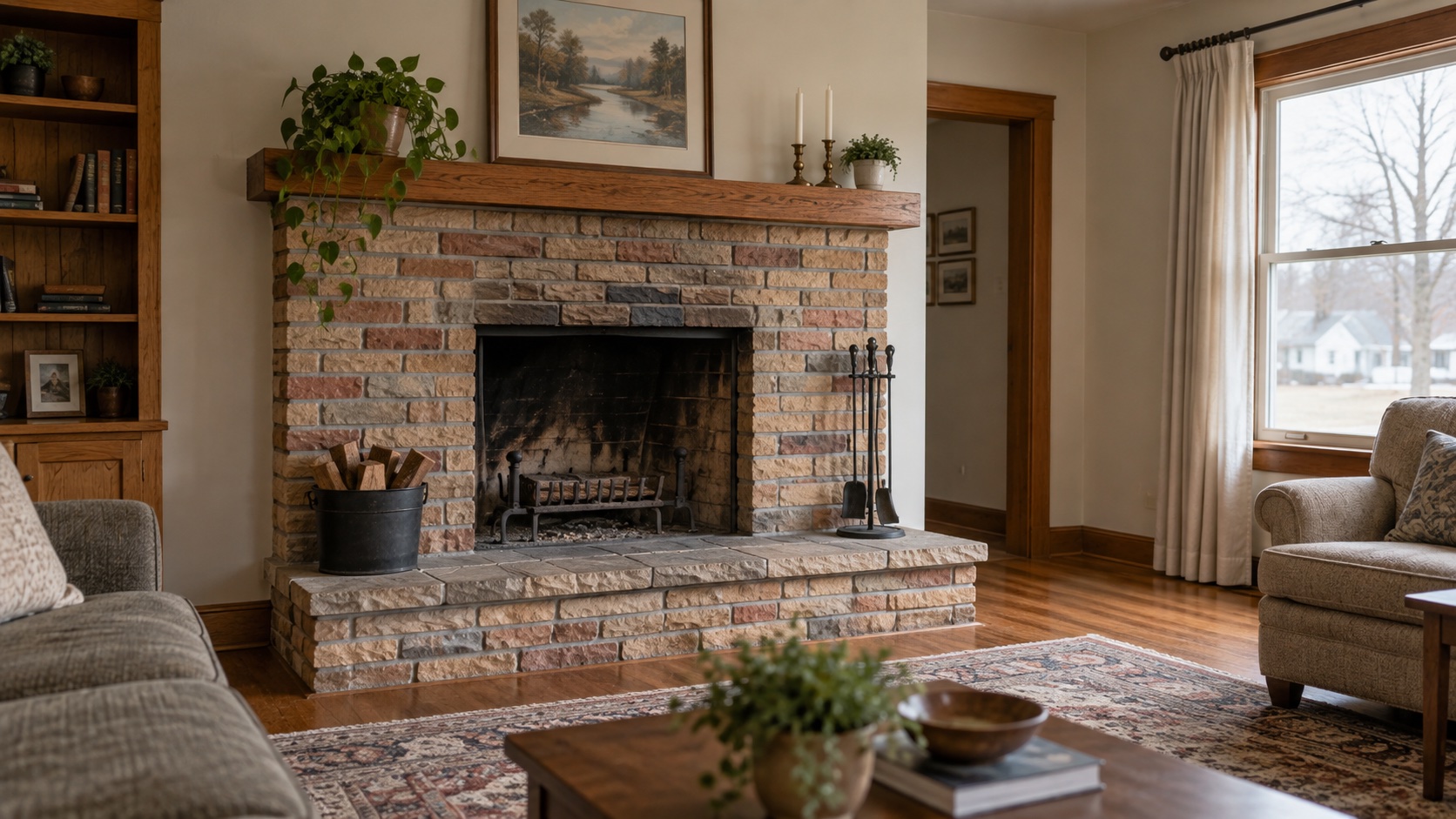
A standard South Dakota home inspection can review visible fireplace and stove components, including the firebox, damper, liner presence, venting, and clearances. That visible review is useful because it can identify conditions that deserve more questions. It is also limited. A standard inspection does not establish the condition of every concealed part of a flue or chimney.
Ask the inspector to explain what was visible, what was inaccessible, and what the report recommends next. Look for notes about cracks, loose or damaged masonry, smoke or water signs, damper operation, visible liner concerns, clearance issues, and the condition of nearby materials. Do not turn the absence of a visible defect into a guarantee about the full system.
Read the inspection report as a list of decisions, not as a simple pass or fail. If the report says the flue could not be fully seen, the fireplace has an unknown service history, or a visible issue needs more evaluation, keep that item open. A separate specialist can evaluate questions outside the scope of the standard inspection. Review the South Dakota home inspection expectations guide so you understand why a visible inspection and a chimney evaluation answer different questions.
When should a buyer ask for a chimney specialist?
A separate chimney inspection deserves discussion when the flue condition is unknown, records are missing, the home inspector sees cracks or smoke evidence, the system has a leak history, or the fireplace has been altered. It also makes sense to ask about specialist review when you plan to use the fireplace regularly rather than treating it as a decorative feature.
The EPA recommends professional inspection and maintenance for wood-burning appliances and chimneys. A qualified chimney professional can explain what parts of the system need review and what the available report does or does not establish. Ask what will be inspected, whether the review covers the chimney and connected appliance, and what happens if the specialist cannot access a concealed section.
Keep the specialist’s findings separate from the home inspector’s visible observations. One report may describe what was visible from ordinary inspection points. The other may address the chimney questions that require specialized tools, access, or experience. If the reports disagree or use terms you do not understand, ask the professional to explain the condition and the next step in plain language. Do not rely on an online article to decide whether a particular fireplace is safe to use.
Which installation and permit records should you verify?
Ask whether the fireplace, stove, insert, liner, chimney, or major alteration was installed or changed after the original construction. Then ask for the permit, inspection, and final approval records that apply to the jurisdiction and the work. Permit requirements can depend on where the home is located and what was done, so a general statement about permits is not enough.
Compare the records with what is visible today. An invoice may describe an appliance replacement, while a permit file may describe the venting or structural work. A prior owner may have completed a repair without keeping every document. Mark missing records as a question for the local authority or the professional responsible for the work. Do not assume that a missing paper proves the work was improper, and do not assume that an old permit covers a later alteration.
Ask about clearances and nearby materials when the installation has changed. The visible condition of a wall, hearth, mantel, floor protection, or appliance connection may be relevant, but a buyer should not calculate compliance from a photograph or a general checklist. Use the property records to identify the right professional review. If you are comparing older homes in Yankton, the older-home costs guide can help keep fireplace questions in the larger repair and maintenance conversation.
How should intended use change the questions?
Decide how the fireplace fits your life before you decide how much attention it deserves. If you want occasional decorative use, ask about the condition needed for that limited purpose. If you expect primary or frequent wood-burning use, ask more detailed questions about the appliance, chimney, cleaning history, fuel, clearances, alarms, maintenance, and specialist findings.
Ask whether the fireplace is the only heat source for any part of the home and whether nearby rooms have smoke or temperature concerns. Ask where smoke and carbon monoxide alarms are located, whether they are present near sleeping areas and fuel-burning equipment, and whether a qualified professional should review placement. A buyer should not assume that an alarm’s presence proves the system is correctly placed or working.
Think about fuel storage, ash handling, cleaning, and the time required to maintain the system. Ask what the seller does with ashes and whether there is a history of odor or smoke entering the house. These are practical questions, not reasons to treat every wood-burning fireplace as a problem. They help you compare a feature you may enjoy with the work, safety review, and upkeep it may require.
How can Yankton buyers organize the final decision?
Create a short fireplace decision sheet with four labels: confirmed, reported, needs professional review, and unknown. Record the last cleaning and inspection, fuel used, smoke or leak history, chimney-fire history, installation and repair records, permits and final approvals, visible firebox and masonry condition, liner, cap, damper, venting, clearances, alarms, specialist findings, repair estimates, and your intended use.
Then ask which open item could change your decision. A missing cleaning record may call for a professional inspection. A cracked firebox or unclear flue may call for a specialist and a repair estimate. An unverified installation change may call for a local records check. A fireplace that is not important to you may lead to a different decision than one you expect to use every winter. Keep those are separate questions from whether the home itself fits your plans.
Use the Yankton homes for sale page to compare properties, but keep a separate feature checklist for each home. The Yankton buyer guide can help with the wider purchase process. When a specific fireplace raises questions, bring the records and inspection notes to your buyer’s agent and the appropriate qualified professional before you treat the feature as ready for regular use.
Frequently Asked Questions
Does a standard home inspection fully inspect a chimney?
No. A standard inspection reviews visible components and has limits. It does not establish the condition of every concealed part of a flue or chimney, so uncertain history or visible concerns may support a separate specialist review.
What fireplace records should a Yankton buyer request?
Ask for installation, service, cleaning, repair, inspection, permit, and final approval records, along with any history of smoke, leaks, chimney fires, or other problems.
When should a buyer hire a chimney professional?
Discuss a separate chimney inspection when the flue condition or history is unknown, records are missing, the home inspector sees a concern, the fireplace was altered, or you plan frequent use.
What should buyers check around a wood-burning fireplace?
Review the visible firebox, masonry, damper, liner presence, venting, clearances, alarms, nearby materials, service history, and intended use. Ask the appropriate professional to explain any unresolved condition.
Buyer Guides
Buy a Home in Yankton
The buyer service page for search help, offer strategy, and local guidance.
Open guideBuyer Guides
Yankton Buyer Guide
Step-by-step education for financing, inspections, offers, and closing.
Open guideBuyer Guides
Homes for Sale
Current inventory plus local search context by property type and area.
Open guide
About the Author
Michelle Maloney is the Broker/Owner of Maloney Real Estate in Yankton, South Dakota. She helps buyers and sellers understand the local market, compare their options, and make confident real estate decisions across Yankton and southeast South Dakota.
Sources
EPA Frequent Questions about Wood-Burning Appliances, South Dakota Home Inspector Laws and Rules.
Questions About the Yankton Market?
Ask Michelle's team about pricing, neighborhoods, timing, or your next move. No pitch, no pressure.