By Michelle Maloney, Broker/Owner, Maloney Real Estate · SD License #14315
What price range should you expect in Yankton neighborhoods?
Start with the type of number you’re looking at. Realtor.com reported a Yankton County median listing price of $346,900 on its current market page, with charts reflecting March 2026 data. Redfin reported a Yankton city median sale price around $247,500 in March 2026. Zillow reported a typical Yankton home value of $276,091 as of April 30, 2026.
Those numbers measure different things. Listing price shows what sellers are asking. Sale price shows what closed. Typical home value is Zillow’s model, not one accepted offer on one house.
For your search, that means you should not pick a neighborhood from one headline number. A home listed near $350,000 in Yankton County may not compare cleanly with an older in-town sale near $250,000. Square footage, updates, lot size, garage space, basement finish, and location all move the number.
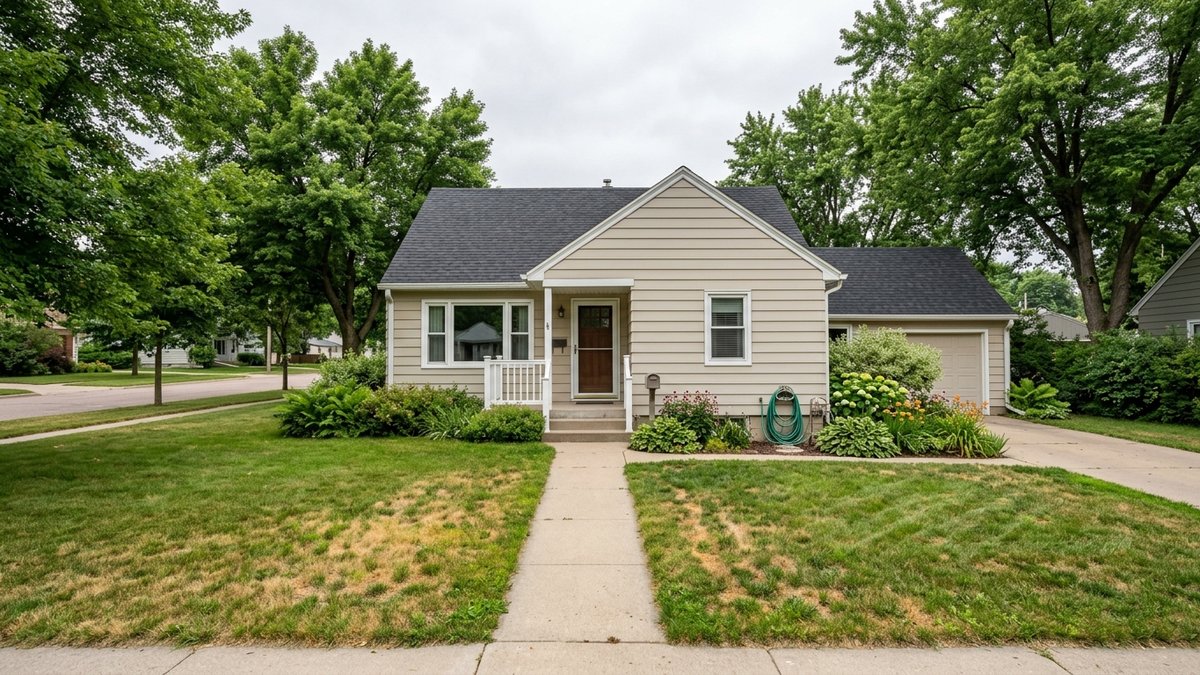
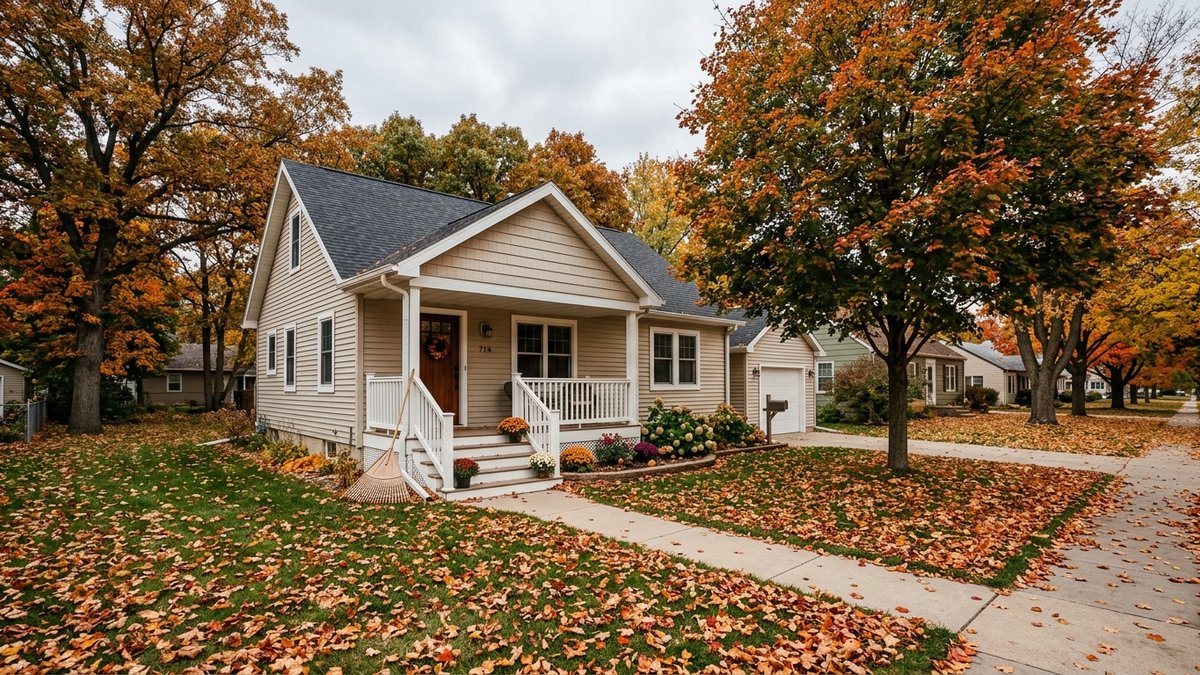
Yankton also has a practical split in its housing stock. Many in-town homes are older single-family properties, often with mature lots and established streets. Newer subdivisions and lake-area properties can push higher because the home, lot, view, garage setup, or access to recreation changes the buyer pool.
If you’re shopping from out of town, use the public data as a guardrail. Then compare live Yankton homes for sale by the same property type.
Sellers should read the numbers the same way. Your value is not just a county median. It depends on what buyers can compare against during the same week you list.
How do older in-town homes compare with newer subdivisions?
Older in-town homes usually give you a different tradeoff than newer subdivision homes. You may get closer proximity to downtown Yankton, Riverside Park, the Meridian Bridge area, or long-established streets. You may also see older mechanical systems, smaller closets, different garage layouts, or updates completed over many years.
That does not make one choice better. It changes your inspection and budget questions.
When you tour an older Yankton home, look past paint and furniture. Ask about the roof age, electrical updates, basement water history, window condition, heating and cooling, and sewer line concerns. These are normal due diligence items, not reasons to panic.
Newer subdivision homes often attract buyers who want more modern layouts, attached garages, open kitchens, and fewer near-term update projects. In parts of Yankton where newer construction is active, you may also compare unfinished lots, spec homes, and resale homes built in the last several years.
Garden Estates is a good example of why property type matters. A newer home there may not compare well with an older central Yankton home, even if both are in the same broad city search.
If you want a quick starting map, use Michelle’s Yankton neighborhood overview and then sort live listings by budget. Public neighborhood labels are not always standardized in Yankton, so the map is a guide, not a pricing promise.
The better question is direct: what kind of home are you willing to maintain, update, and own for the next few years?
Where do lake-area and rural homes fit into the comparison?
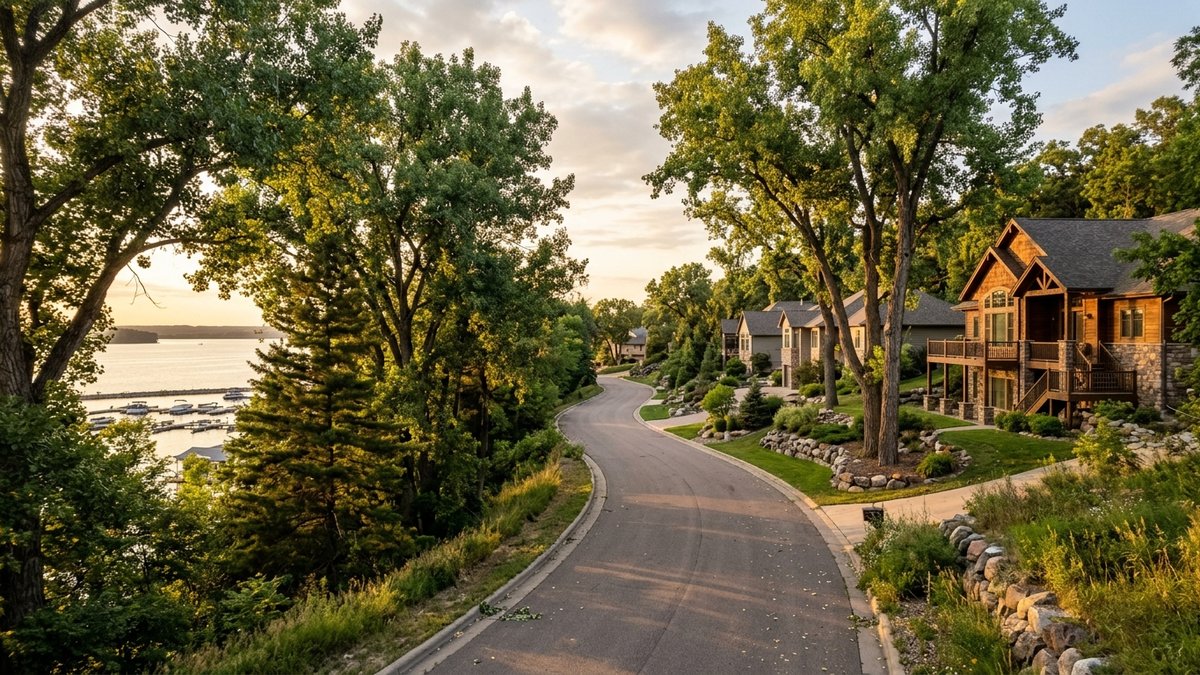
Lake-area and rural homes sit in their own lane. Lewis and Clark Lake, Marina Dell, Sundance Ridge, and nearby rural properties can have price drivers that do not show up in a basic citywide median.
A buyer may pay more for water proximity, views, outdoor storage, outbuildings, acreage, newer construction, or a specific lot setting. You may also need to think about roads, wells, septic systems, insurance, shoreline rules, covenants, or seasonal use. Verify the property-specific items with the right professional before you write an offer.
This is general real estate information, not legal, tax, lending, or financial advice. Lake and rural purchases often involve title, insurance, lending, and inspection questions that deserve careful review.
The biggest mistake is comparing a lake-area home to an in-town home by bedroom count alone. A three-bedroom house near the lake may compete with a different buyer group than a three-bedroom home near a central Yankton street.
If you’re moving from Omaha, Sioux City, Rochester, or the Twin Cities, this is where local context helps. A property that looks close on a map can feel different after work or on a summer weekend near the lake.
Use the Lewis and Clark Lake guide when recreation is part of the decision. Then compare current listings with your lender’s payment estimate, your insurance quote, and your inspection plan.
What should buyers know about townhomes and rentals like Fox Run?
Attached housing is a smaller part of the public Yankton search than single-family homes. The clearest public example in this brief is Fox Run Townhomes, a west-side townhome community with 108 units.
ForRent listed Fox Run layouts from one to three bedrooms, with about 723 to 1,502 square feet. The same source showed a floor-plan summary from $900 to $1,685 per month, with a one-bedroom plan listed at $1,150. Apartments.com also listed Fox Run as a townhome community in Yankton.
That information is useful, but it does not mean Fox Run sets the price for all attached housing in Yankton. It is a specific rental community. Treat it as a housing option, not a neighborhood-wide sales sample.
For buyers, a townhome rental can still be part of the buying conversation. You may rent first while you learn the area, wait for the right listing, or move before your home in another city sells.
If you’re weighing rent against a purchase, compare more than the monthly number. Look at down payment timing, repair responsibility, lease terms, HOA or association details, utility costs, and how long you expect to stay. Verify loan questions with your lender and lease questions with the property manager or attorney.
Michelle’s affordability calculator can help you sketch a starting budget. It is not a lender approval, and it is not a promise that a specific home will fit.
How should you use neighborhood names like Silver Valley?
Use neighborhood names as search shortcuts, not final answers. Yankton does have local names buyers mention often, including Silver Valley, Garden Estates, Marina Dell, Sundance Ridge, Fox Run, and other areas people know by habit.
The challenge is that public market pages do not always define those names the same way. The research brief could not verify a separate public price distribution for Silver Valley from the sources found. If you see a neighborhood name online, ask what boundary, data source, and property type it includes.
Silver Valley can still be part of a real local conversation. You just need current MLS detail before making a price claim. One active listing, one closed sale, or one outdated public page should not set your entire opinion of an area.
This is where buyers benefit from a street-level review. You can look at recent comparable sales, current competition, lot sizes, age of homes, update level, and what has actually gone under contract.
School questions should be handled with the same care. For in-town addresses, Yankton School District 63-3 is the relevant district. But attendance details can change by address, so verify assignments through the district or the right public source. Use Michelle’s Yankton schools page for process context, not school rankings.
If a search filter gives you too few results, widen the map before you widen your budget. Sometimes the better fit is one street over, a nearby subdivision, or a different property type.
What is the smartest way to compare Yankton areas before touring?
Build your comparison around the decision you actually need to make. A relocating buyer may care about commute, storage, yard size, and move-in timing. A local move-up buyer may care more about selling first, net proceeds, and how quickly the right home might appear.
Start with four filters: budget, home type, age range, and location needs. Then add the practical checks that affect ownership. Those include updates, garage space, basement condition, lot size, road access, lender fit, and insurance questions.
For a buyer, I would rather see you tour six useful homes than twenty scattered options. A tighter search helps you notice the tradeoffs. You can compare an older in-town home, a newer subdivision home, a lake-area option, and a rural property without pretending they are the same product.
For a seller, the same framework helps pricing. Your home should be compared against the listings a buyer will see in the same price band. If your home is updated, staged well, and priced against the right competition, the public median becomes background information, not the whole strategy.
If you’re relocating to Yankton, read the relocation guide before your first visit. Then plan showings by area and property type, not just by newest listing alerts.
A good local search should leave you with fewer surprises. You should know why one home costs more, why another needs work, and which tradeoffs you can live with. Once that is clear, neighborhood names become helpful labels instead of confusing search noise.
Frequently Asked Questions
What are the main types of homes in Yankton neighborhoods?
Yankton has older in-town single-family homes, newer subdivision homes, lake-area properties, rural homes, and a smaller attached-housing market. The right comparison depends on age, updates, lot size, garage space, and setting.
Is Fox Run a neighborhood or a townhome community?
Fox Run is best treated as a specific townhome community, not a broad neighborhood market sample. Public rental sources list it as a 108-unit community with one to three-bedroom layouts.
Can public websites tell me the price of each Yankton neighborhood?
Public websites can give a starting point, but Yankton neighborhood labels are not always standardized. For a real price range, compare current MLS listings and recent closed sales by property type.
How should I compare Silver Valley homes in Yankton?
Treat Silver Valley as a local search label until you review current listing and sales data. The research brief did not verify a separate public price distribution for Silver Valley, so MLS context matters.
What should relocating buyers check before choosing a Yankton area?
Check commute patterns, property type, budget, maintenance needs, storage, schools by address, lender fit, and insurance questions. If schools matter to your search, verify district and attendance details with the proper source.
Neighborhoods
Yankton Neighborhoods
The main hub for in-city and lake-area neighborhood guides.
Open guideNeighborhoods
Living in Yankton
Schools, employers, lake life, parks, cost of living, and relocation context.
Open guideNeighborhoods
Lake Homes
The dedicated lake-area property search and guidance page.
Open guide
About the Author
Michelle Maloney is the Broker/Owner of Maloney Real Estate in Yankton, South Dakota. She helps buyers and sellers understand the local market, compare their options, and make confident real estate decisions across Yankton and southeast South Dakota.
Sources
Realtor.com Yankton County Housing Market Report, Realtor.com Yankton Homes for Sale, Zillow Yankton Home Values, Redfin Yankton Housing Market, ForRent Fox Run Townhomes, Apartments.com Fox Run Townhomes, Homes of Yankton Neighborhood Guide.
Questions About the Yankton Market?
Ask Michelle's team about pricing, neighborhoods, timing, or your next move. No pitch, no pressure.